


Description
What Is a Soft Night Splint?
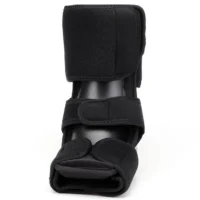
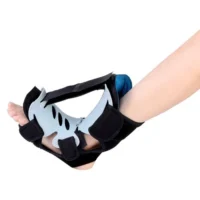
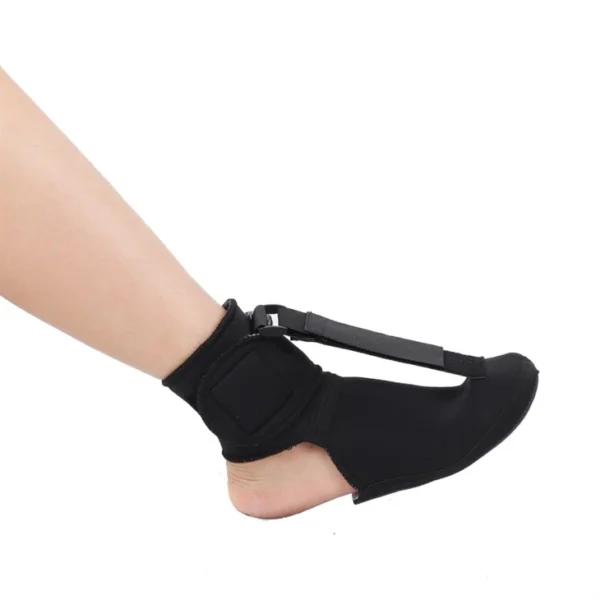
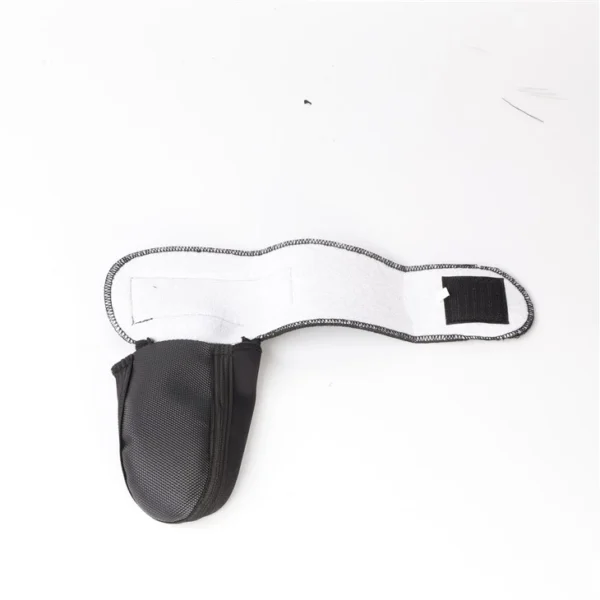
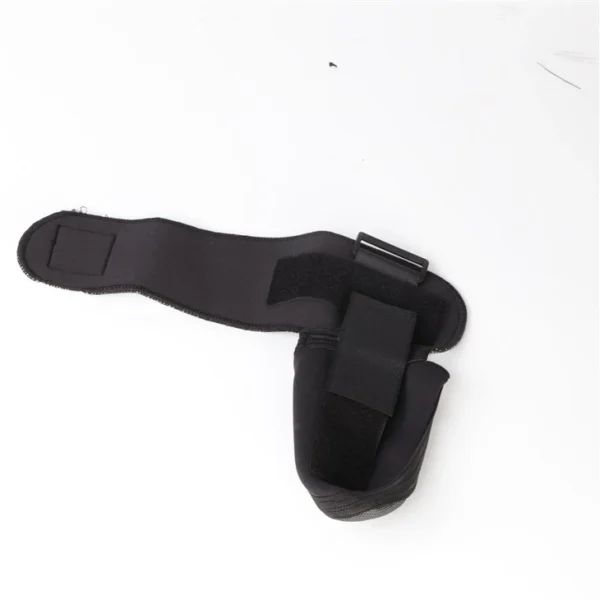
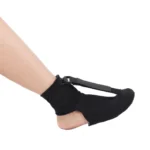
A soft night splint is an overnight brace with a padded, flexible body rather than a rigid shell, worn in bed to hold the foot with the toes lifted so the plantar fascia and the calf stay gently stretched while you sleep. Model AN-012 is built as a soft splint: soft velour-lined foam padding, an adjustable dorsiflexion strap system, a thermal retention Trioxon lining, and breathable moisture-control materials. It is worn overnight — it is not a walking device, and it is not a daytime support.
Why Choose This Padded Overnight Splint?
Stays put. So you can forget it’s there. The usual reason an overnight brace ends up in a cupboard is comfort: a hard shell presses somewhere by the second hour, and by the third night the device is on the floor.
A soft night splint takes the opposite approach — the body is padded rather than rigid, the closure is a strap rather than a moulded frame, and the lining is designed to hold warmth against the skin instead of sliding over it. That combination is what makes an eight-hour session realistic for people who could not tolerate a shell.
- Soft velour-lined foam padding: Padding sits between the splint and the skin, so the contact surface does not become the reason you take it off.
- Adjustable dorsiflexion strap system: The stretch can be set low on the first nights and increased as the calf loosens, rather than being fixed at one position.
- Thermal retention Trioxon lining: The lining holds warmth around the foot and ankle, which is how it stays comfortable and dry through the night.
- Breathable moisture-control materials: The body is specified to manage moisture rather than trap it, which matters for a soft night splint worn against the skin for hours.
- Soft structure for night comfort: The whole splint is designed around sleeping position rather than around standing and walking.
- Universal left and right fit: One soft night splint covers either foot, so there is no side to order.
Premium Engineering & Design Details
Every value below applies to model AN-012, the soft night splint in this listing.

Trioxon Thermal Lining & Dorsiflexion Strap System
Two parts of this design do the night-shift work. The first is the Trioxon lining: the manufacturer specifies it for thermal retention, which keeps warmth around the foot and ankle and, in practice, is what allows the padding to stay comfortable for hours rather than minutes. The second is the dorsiflexion strap system.
Because the stretch is set by a strap, a soft night splint does not have to hold one fixed position — the tension can start low and be increased over the first week as the calf and the plantar fascia loosen, which is the difference between a course of treatment that gets finished and one that gets abandoned.
Fitting follows from that. Seat the heel at the back of the splint, close the strap with only a light stretch for the first night, and add a little every few nights. If the toes go numb, tingle or feel cold, the strap is too tight — loosen it, and check the heel position again before tightening anything. The manufacturer’s page for this model lists its specification as a technical table rather than a separate feature list, so the details above are described exactly as that page states them.
Best For: Plantar Fasciitis, Morning Heel Pain & Tight Calves
This soft night splint is intended for the situations below, quoted from the manufacturer’s indications for this model.
- Night-time relief for plantar fasciitis
- Morning heel pain and foot stiffness
- Mild foot drop support during rest
- Tight Achilles tendon or calf muscles
- Post-activity foot fatigue recovery
- Use as a positioning aid during rest, alongside daytime stretching
The American Academy of Orthopaedic Surgeons describes the principle behind night-time splinting: most people sleep with the feet pointed down, which lets the plantar fascia and the calf tighten, and a splint holds the foot with the toes pointing upward while you sleep so that the tissue does not contract back overnight.
See the AAOS patient information on Achilles tendinitis for how that fits into a treatment plan and why morning stiffness is the symptom night splinting targets. One limit belongs in plain language: a soft night splint holds a position and provides a sustained stretch; it does not treat the underlying cause on its own, and the decision to use one belongs with your clinician.
Sizing & Fitting Guide (S · M · L)
This model is offered in three sizes, and the manufacturer publishes a full shoe-size chart for it covering US and Canada men and women, UK men and women, and Europe. The European ranges are shown below; if you are between two sizes, take the larger one and set the dorsiflexion strap to suit.
Seat the heel at the back of the soft night splint, close the dorsiflexion strap with a light stretch on the first night, and increase it gradually. Check the top of the foot, the heel and the calf after the first few nights.
Two practical notes. A thin, seam-free sock underneath usually reduces rubbing against the padding of a soft night splint, even though the lining is designed for skin contact. And because this soft night splint is worn in bed, plan the first nights for when a disturbed night will not cost you a working day — the position feels unfamiliar before it feels normal.
Who It’s For — and Who It Isn’t
This soft night splint suits the foot that needs an overnight stretch and a device that can actually be slept in.
- A good match when heel pain is worst on the first steps in the morning and eases after a few minutes of walking.
- A good match when a rigid shell splint has been tried and could not be tolerated through the night.
- A good match when a clinician has prescribed an overnight stretch that needs to be built up gradually rather than set from the first night.
- Not the right choice when the ankle has to be immobilised after a fracture or a repair, or when weight bearing has to be controlled — a soft night splint does not bear weight and is not a walking device.
- Not the right choice for broken skin, poor circulation or a nerve problem in the foot, where pressure from any splint needs medical advice first. Browse the full ankle and foot braces range for other overnight and daytime options.
Frequently Asked Questions (FAQ)
Is a soft splint as effective as a rigid one? They hold the same position by different means: a rigid shell sets the angle through its shape, while a soft night splint sets it through an adjustable strap and padded body. Which one suits a particular foot is a clinical judgement, and tolerance is part of that — a splint that is actually worn overnight does more than one that is taken off.
Can I wear it all night? That is the purpose of the design, but build up rather than starting with a full night. Begin with a light stretch and a shorter session, then extend as the calf loosens.
Should I wear a sock underneath? A thin, smooth, seam-free sock is usually the comfortable choice, and it makes it easier to check the skin afterwards. Avoid heavy textures and thick seams.
How tight should the dorsiflexion strap be? Tight enough to keep a gentle stretch, not tight enough to cause numbness, tingling or a cold foot. If any of those appear, loosen the strap and re-check that the heel is fully seated.
Can I walk in it? No. A soft night splint is an in-bed positioning device. Walking in it is unsafe; if you need to walk protected, you need a boot rather than a splint.
How do I clean it? Hand-wash the padded and lined parts in cool water with a mild soap, rinse well and air-dry away from direct heat. Close the fastener before washing so it does not catch on the Trioxon lining.
⚠️ Medical Disclaimer
This product is intended for general orthopedic stabilization and support purposes only. It does not constitute personalized medical advice. Always consult your primary healthcare provider, orthopedic specialist, or physical therapist to ensure this device is appropriate for your specific injury, rehabilitation schedule, and weight-bearing status before use.