
Description
What Is a Knee Brace for Arthritis in the Knee?
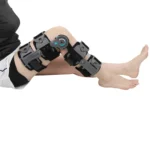
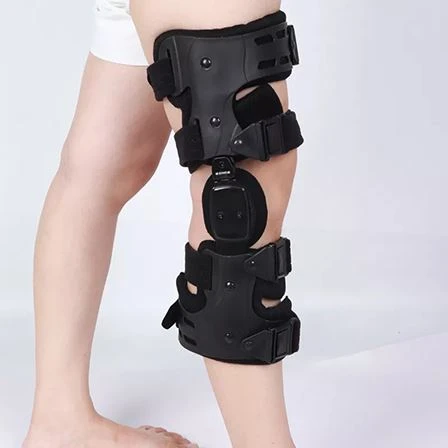
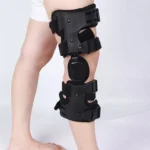
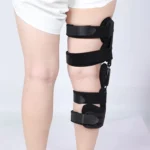
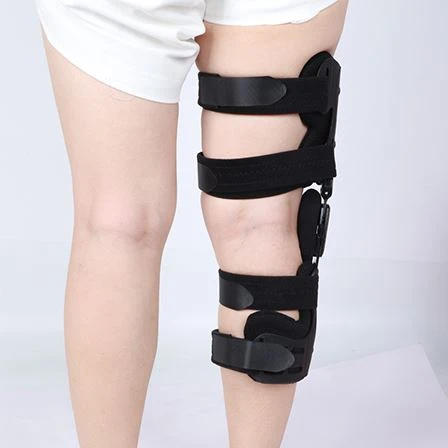
A knee brace for arthritis in the knee is an adjustable hinged orthosis that supports a knee joint affected by osteoarthritis, redistributes load away from the worn compartment and applies controlled range-of-motion support. Model KN-003 adds a three-point leverage frame and a varus and valgus adjustment mechanism, so the brace can be fitted to your own knee alignment. It is a support and alignment device for mild to moderate unicompartmental osteoarthritis: it is not an unloader brace, it is not a knee sleeve, and it is not a knee immobilizer.
Why Choose This Osteoarthritis Knee Brace?
Stays put. So you can forget it’s there. That sentence is the design brief behind this brace, and it matters most for a knee brace for arthritis in the knee, because osteoarthritis is managed over years rather than weeks. A brace you take off by noon protects nothing. An analysis of 1,058 knee-brace reviews and community threads found the most common complaint was a support that slides down while you walk (109 mentions), followed by heat and itching (77), over-tightening and pressure on the calf (65), and unreliable sizing (64).
Four design decisions answer those complaints directly.
- 3-Point Leverage Structure: The frame applies three points of contact so load is carried away from the affected medial or lateral compartment, which is what an osteoarthritic knee needs during walking and standing.
- Adjustable ROM Hinge: A hinged mechanism with adjustable range of motion up to 0°–90°, so the same brace can support a stiff knee early on and allow more movement as the joint loosens.
- Varus and Valgus Adjustment: The alignment mechanism is set to your own leg axis, which is the point most off-the-shelf supports miss.
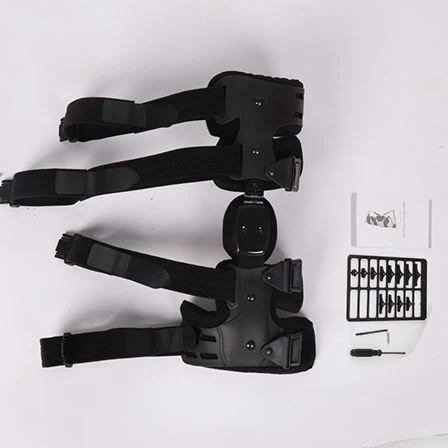
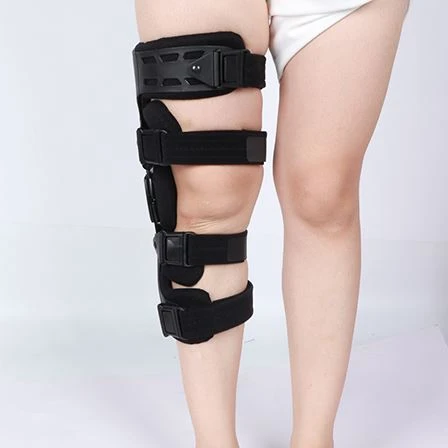
- Lightweight, Padded, Left or Right Specific: A light structural frame with padded contact areas, built as a left or right brace so the hinge, pads and lever arms land in the correct position rather than halfway there.
Premium Engineering & Design Details
Every value below applies to model KN-003, the OA knee brace for arthritis in the knee in this listing.
Strategic Advantage Over Standard Knee Braces
Compared with a standard knee brace for arthritis in the knee, four structural differences matter most.
- Set to Your Alignment, Not a Default Angle: Off-the-shelf supports are built at one fixed angle. The varus and valgus adjustment here is dialled in for your knee, which is the difference between supporting the joint and pushing against it.
- Load Carried Away From the Worn Side: A compression sleeve presses evenly on a joint that is already painful on one side. This knee brace for arthritis in the knee uses three-point leverage to reduce load on the affected compartment.
- Left and Right Specific: A unisex wrap never quite lines up. A left or right specific frame puts the hinge, lever arms and pads where the anatomy actually is.
- Made to Be Worn for Years, Not Weeks: Lightweight structural components with padded contact surfaces, so a brace designed for daily osteoarthritis management stays comfortable enough to keep using.
Two honest limitations. First, this is a support and alignment device for mild to moderate unicompartmental osteoarthritis: it does not rebuild cartilage, it does not replace medication, physiotherapy or surgery, and it is not an unloader brace. Second, it is a clinical orthosis rather than a fashion item, and it will show under slim trousers.
For distributors and private-label brands, OEM and ODM programmes are available, including logo, packaging and specification development.
Indications: OA, Meniscal & Cartilage Conditions
This knee brace for arthritis in the knee is intended for the clinical situations below.
- Mild to moderate knee osteoarthritis, including unicompartmental osteoarthritis
- Medial or lateral compartment OA support, configured for the affected side of the joint
- Varus or valgus knee alignment support, where the leg axis needs to be held while walking
- Meniscal cartilage derangement. Degenerative meniscal wear frequently accompanies osteoarthritis, which is why an OA knee brace for arthritis in the knee and the knee braces for meniscus injuries used in the same clinics share one principle: keep the joint stable and keep the load off the damaged side
- Knee instability associated with compartmental loading
- Everyday walking, stair climbing and standing tolerance where knee pain currently limits activity
The American Academy of Orthopaedic Surgeons (AAOS) patient information on arthritis of the knee explains that osteoarthritis is the most common form of knee arthritis and a degenerative, wear-and-tear condition in which cartilage gradually wears away, that it most often affects people aged 50 and over, and that symptoms include stiffness, swelling and a knee that may feel weak or buckle.
Browse the full range of knee braces for ligament injuries, post-operative recovery and osteoarthritis.
Sizing & Fitting Guide (Left / Right Specific)
This knee brace for arthritis in the knee is ordered for the affected side, left or right, and is then adjusted on the leg, so there is no size chart to guess from.
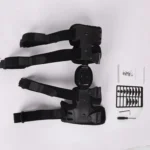
Fitting in three steps: confirm you have the left or right version for the affected knee; set the frame against the leg so the hinge sits level with the joint line and the three contact points rest on thigh, shin and side of the knee; then set the varus or valgus adjustment as advised and close the straps, working from the top strap down.
Alignment is a clinical setting, not a comfort setting. Ask your orthotist or physiotherapist to confirm the correct angle before you wear this knee brace for arthritis in the knee for a full day. A knee brace for arthritis in the knee that is set to the wrong axis will be uncomfortable and will not reduce load on the affected compartment.
Frequently Asked Questions (FAQ)
What is a knee brace for arthritis in the knee used for? It supports a knee affected by osteoarthritis, reduces load on the worn medial or lateral compartment and holds the joint in better alignment during walking and standing. It is used for mild to moderate unicompartmental OA, usually alongside physiotherapy and pain management.
Is this an unloader brace? No. An unloader brace uses a single lever to push the joint open, and it is a separate product line. This knee brace for arthritis in the knee uses a three-point leverage frame with varus and valgus adjustment to redistribute load and improve alignment, which is a different mechanism and a different indication.
Will it help with a meniscal tear as well? Degenerative meniscal wear and osteoarthritis very often occur together, and both benefit from a stable joint and reduced load. An orthopaedic specialist should confirm whether your meniscal damage needs treatment of its own before you settle on one knee brace for arthritis in the knee.
Do I need a left or a right brace? Yes. KN-003 is built as a left or right specific brace so the hinge and lever arms land correctly on the affected knee. Tell us which knee is affected when you order.
How long should I wear it each day? Follow the schedule your clinician gives you. Most people wear a knee brace for arthritis in the knee during the activities that hurt most, such as walking and stair climbing, and remove it for sleep unless told otherwise. Build up gradually rather than wearing it all day from the first day.
Can I wear it over clothing? The brace is designed to sit against the leg with the padded contact areas on the skin or over a thin layer. Thick clothing under the frame changes the fit and the alignment setting, so it is best worn directly against the leg.
Medical Disclaimer
This product is intended for general orthopedic stabilization and support purposes only. It does not constitute personalized medical advice. Always consult your primary healthcare provider, orthopedic specialist, or physical therapist to ensure this device is appropriate for your specific injury, rehabilitation schedule, and weight-bearing status before use.